Top 10 foods with heavy metals that you should avoid
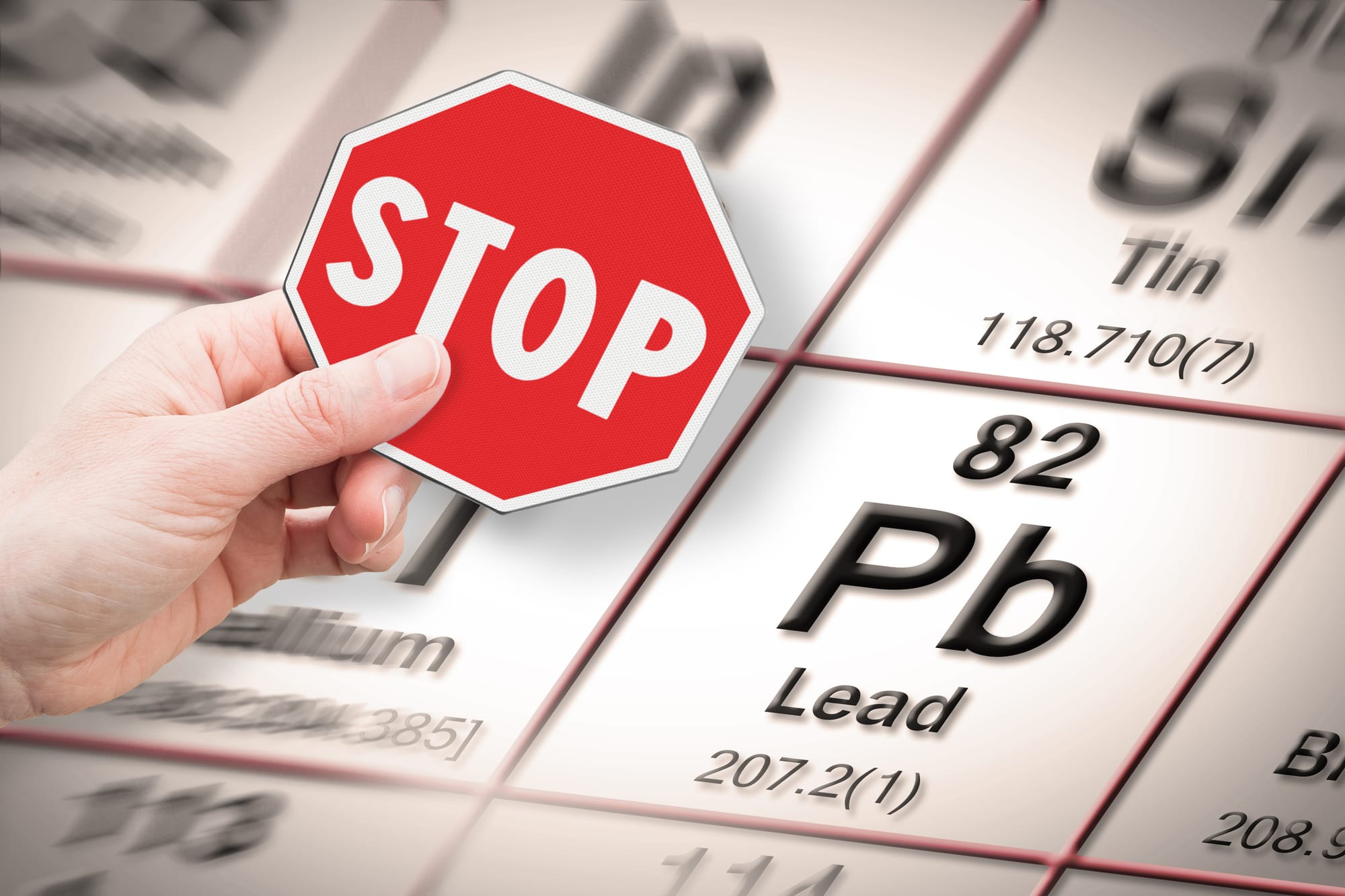
The presence of heavy metals in food is an increasingly important public health concern. This is because some heavy metals are toxic and can accumulate in the body, causing a variety of long-term health problems. It's essential to be informed about which foods may contain higher levels of these contaminants in order to make safer food choices. Here's a list of the top 10 foods with heavy metals that you should consider limiting or avoiding in your diet:
1. Large fish
Fish at the top of the marine food chain, such as tuna, swordfish, king mackerel, and shark, tend to accumulate higher amounts of mercury. Mercury can have neurotoxic effects, especially in young children and on fetal development during pregnancy.
2. Rice and rice products
Rice can absorb arsenic from soil and water more effectively than other grains. Arsenic is a known carcinogen, and its intake should be monitored. Consider limiting your rice intake and alternating with other grains such as quinoa, millet, or buckwheat.
3. Green leafy vegetables
Vegetables such as spinach and lettuce can accumulate cadmium and lead, especially if grown in contaminated soil. Although it's essential to consume vegetables for their nutrients, it's a good idea to vary the types of vegetables consumed and, if possible, choose organic products to reduce the risk of exposure to heavy metals.
4. Alcoholic beverages
Certain alcoholic beverages, especially wines and beers, may contain traces of metals such as lead and arsenic. Packaging and production methods can influence heavy metal levels. It is always advisable to consume these beverages in moderation.
5. Cocoa and chocolate products
Some studies have identified that cocoa may contain cadmium, a heavy metal that can be harmful to the kidneys and bones after prolonged exposure. Opt for chocolates with a lower percentage of cocoa and consume these sweets in moderation.
6. Mushrooms
Mushrooms have the ability to absorb and accumulate metals from the soil, such as cadmium. This makes eating certain types of wild mushrooms potentially risky, especially if their source is unknown. It is always preferable to select cultivated mushrooms that comply with food safety controls.
7. Fruits and nuts
Fruits like apples and nuts like almonds may contain higher levels of lead and other metals, depending on the soil they're grown in. It's essential to wash fruits thoroughly and choose nuts from reliable sources.
8. Canned foods
The inner lining of some cans may contain bisphenol A (BPA), which is associated with endocrine disruption. Although it's not technically a heavy metal, its effects are equally concerning. Look for alternatives in glass or cardboard containers whenever possible.
9. Tea
Tea, especially some grown in regions prone to industrial pollution, can contain lead and aluminum. Limit consumption of non-organic tea and prefer brands that test their products for heavy metals.
10. Dietary supplements
Some supplements may contain impurities, including heavy metals like lead and mercury. It's crucial to select supplements that are third-party certified and have a good reputation for quality control to minimize any risk.
Reducing exposure to heavy metals is possible by choosing cleaner and safer food sources, making informed choices, and implementing safe preparation practices such as thorough food washing and a diverse diet. However, because heavy metals occur naturally in the environment, it is impossible to completely eliminate